Private yachts are less about transportation and more about time, the kind you control minute by minute. When you charter a mega yacht, you decide when the tenders hit the water, what the chef sources from the morning market, and whether the day ends in a quiet anchorage or under a skyline that throws light across the deck. A luxury yacht charter vacation rewards decisiveness and curiosity, and the best trips tend to blend both.
I have seen charters where families transform a yacht into a floating summer camp, where a CEO finds rare silence before a major acquisition, where a couple spends three days on the hook within sight of Capri because the water color refuses to let them leave. The glamour is real, yet the craft behind it, the sequence of choices and the detail in execution, is what turns a very expensive week into an unforgettable one.
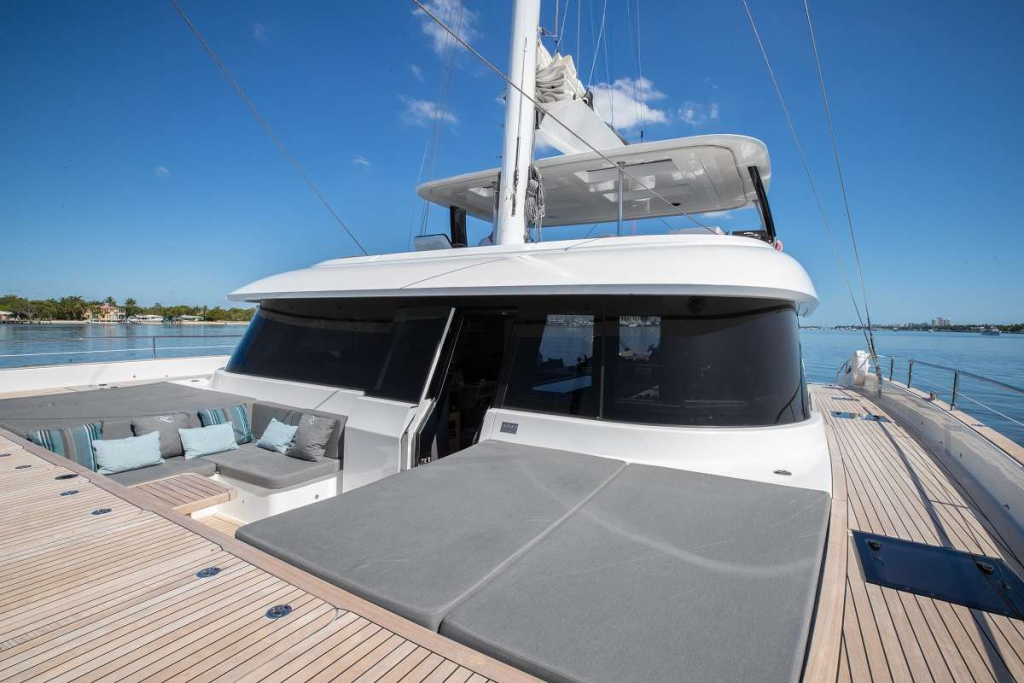
What “mega yacht” really means
People use mega yacht and superyacht interchangeably. In the industry, a superyacht typically starts around 24 meters, roughly 80 feet. Mega yacht is a label more often reserved for vessels above 60 meters, though the boundary is blurry. Dimensions matter because space dictates capability. At 30 to 40 meters, you get three decks, generous cabins, and one or two tenders. At 50 to 70 meters, expect more toys, a beach club, full gym, cinema, and often an elevator. Beyond 80 meters, you enter a private-resort zone, where a helipad, multiple galleys, and a full medical room become plausible. None of this is better by default, but it changes the feel of each day at sea.
If you are new to private mega yacht hire, focus less on absolute length and more on guest-to-crew ratio, layout, and the experience the platform enables. A 45-meter yacht with a sharp captain and a chef who can pivot from Nikkei to Middle Eastern flavors might suit you better than a larger vessel with fewer crew per guest and a dated refit. Fit beats size every time.
The economics that shape the experience
mega yacht rentalYacht costs vary wildly, and the structure can surprise first-timers. The base rate covers the yacht, crew, and insurance for a specified period, usually a week. On top of that sits the APA, or Advance Provisioning Allowance, generally 30 to 40 percent of the base. The APA is a working fund the captain uses for fuel, food and beverage, marina fees, shore power, local taxes, and incidentals. At the end of the trip, you receive a detailed reconciliation, and any unspent balance is returned. Crew gratuity is customary in most regions, often 10 to 20 percent of the base rate, adjusted for service quality.
A few practical benchmarks help. A modern 40-meter superyacht in the Med might charter for 120,000 to 200,000 euros per week high season. Fuel for a typical itinerary might be 15,000 to 40,000 euros, depending on speeds and distances. Berthing in marquee marinas, think Port Hercule or Marina Grande, can run thousands per night, more during events. If your charter includes a helicopter transfer, water jetpacks, or shoreside security, plan accordingly. Rates in the Caribbean are often comparable but with fewer marina nights and more anchorages. At the true mega scale, 70 meters and up, weekly base rates commonly sit in the mid six figures, with APA and gratuity proportional.
Why does this matter? Because smart planning protects your time. If you push for a four-port week across the Riviera at 18 knots to tick boxes, your fuel burn spikes, and you spend hours confirming berths rather than swimming. If your aim is seclusion, put dollars into toys and tenders instead of transient marina prestige. Aligning your budget to your priority words, like privacy, food, fitness, nightlife, culture, is the best move you can make before you step aboard.
Brokers and the art of the match
The best luxury yacht rental worldwide rarely happens by clicking a “book now” button. A good broker filters an enormous market into a short list that fits your taste and timeline. They know which captains are decisive in tight anchorages, which chefs handle restrictive diets with ease, which yachts have quiet cabins because the stabilization system was upgraded last year. They also know where the boat has been and whether it is realistically positioned to reach your embarkation point without burning days.
If you are weighing the best luxury yacht charter companies, think people first. A strong brokerage has a charter department with regional specialists, a compliance team checking contracts and VAT exposure, and relationships with central agents who manage the yachts. They should welcome thorough questioning, provide captain references, and help you understand MLC and ISM compliance, safety gear, and crew rotation schedules. Transparency is a reliable signal. If a broker dodges specifics about a recent refit or avoids sending a sample menu and a toy list, move on.
How to brief your crew so they can deliver
A solid preference sheet changes everything. Start with non-negotiables: allergies, medical considerations, cabin arrangements, noise preferences, and sleep patterns. Then sharpen the fun. If you want two dive days, specify certification levels. If you love mezcal or a particular sake brewery, put it down. Instead of “healthy food,” describe your version of healthy, whether that means high-protein, Mediterranean, or macro-balanced with low sugar. Give the chief stew a color palette and vibe for tablescapes if you care about ambiance. The best crews thrive on detail, and they will gently stretch your ideas with local suggestions once they know your baseline.
A brief anecdote: we once had a guest request a “sunrise-only” coffee ritual. The chief stew arranged a silent barista setup on the bow, beans ground before dawn to avoid noise, heated cup, wind break in place, and a steady pour at the first hint of light. It cost nothing but thought, and the guest called it the trip’s highlight. That is how a preference turns into a memory.
Choosing where to go when everything is possible
Most clients start with a dream image, and that is usually a good compass. You might picture a cobalt cove with olive trees above a limestone shelf, or a skyline that lights up while you dine on deck. Both exist. The trick is to match your image to the seasonal rhythm and the vessel’s strengths.
The Mediterranean is the grand theater of superyacht charter. The Riviera hums June to September, a rotation of breakfast at anchor, lunch ashore, and evenings tied stern-to where you can step off into nightlife. The Balearics give you more swing space and cliff-backed calas; Ibiza is not all clubs, and early morning anchorages can feel almost private if you time arrivals before the day boats. The Amalfi Coast and Capri pair dramatic shorelines with crowds that need clever timing. Croatia’s Dalmatian islands reward those who enjoy history layered over island-hopping. Greece demands a choice: the Cyclades promise stark beauty and Meltemi winds that can pin you down, the Ionian softer seas and green hills. Turkey’s Turquoise Coast deserves more attention than it gets, with superb anchorages and kitchens that credit the wood-fired tradition.
The Caribbean’s winter season trades stone villages for reefs and barefoot rhythm. The British Virgin Islands suit families, sail and motor alike, with manageable hops and clear water that forgives novice snorkelers. St. Barths merges chic and casualty, and the Grenadines deliver that salt-worn, easygoing cadence where a day can stretch into an afternoon with just a beach barbecue and a kiteboard session. Bahamas itineraries can feel like a sandbar gallery, which is exactly the point if you want light-draft tenders skimming across flats and nurse shark encounters in shallow water. For divers, consider adding a licensed dive guide in places where regulations or depth profiles demand it.
Further afield, the Seychelles, Maldives, Thailand’s Phang Nga Bay, Raja Ampat, and Fiji convert a superyacht into an expedition-lite platform. These luxury yacht charter destinations are for travelers willing to be flexible with weather and provisioning in exchange for water clarity that spoils you for life. Moving a mega yacht to these areas requires earlier planning, and local permits need attention. The payoff is profound.
Two high-yield checklists for smooth sailing
- Decide what kind of week you want: easy anchorages and water toys, or town-hopping and nightlife. Set a rhythm word and stick to it when choosing routes. Clarify priorities in writing: food style and meal timing, cabin quiet hours, gym needs, alcohol preferences, and any medical or mobility considerations. Ask your broker for captain bios, sample menus, and maintenance/refit histories. Confirm stabilization type and gym/wellness gear if you care about comfort at sea. Choose a reasonable embarkation point for the yacht’s current location to avoid expensive repositioning and lost time. Approve a provisional itinerary with options A and B that account for weather and local events. Give the captain permission to pivot. Pack soft-sided luggage for storage flexibility and bring polarized sunglasses. Hard cases fight with wardrobe space. Load key apps: offline charts for curiosity, a translation app, and your streaming credentials if the yacht has Starlink or VSAT. Bring certifications if you plan to dive or operate PWCs where licenses are required. In some EU waters, a personal watercraft license is mandatory. Confirm connectivity solutions, from eSIMs to yacht Wi-Fi limits, so you do not blow through data streaming 4K video from the foredeck. Prepare cash in small denominations for local markets and tips ashore; crew tips are settled separately via bank or envelope by region.
These lists are not about rules, they are levers. Pull the ones that matter to you and ignore the rest.
The living spaces that change how you feel onboard
Layout is not a spec sheet footnote, it dictates how you use a yacht hour by hour. Pay attention to where you will spend your mornings. If you are an early riser, the foredeck lounge becomes a private world before others wake. A shaded upper deck dining area with wind protection means you can eat outside comfortably while underway at 12 knots. A beach club with fold-down terraces doubles the waterline footprint and turns pre-dinner into an event, with soft lighting, a cold plunge, and maybe a massage table alongside.
Cabin placement matters if you are sensitive to motion. Lower deck forward cabins move more than midships staterooms. Gyro vs fin stabilizers affect at-anchor comfort differently. Fins work underway and at anchor with power, while gyros shine at or near zero speed and need time to spool up. If you plan to anchor most days, ask which system the yacht uses and its power profile.
Gym setups range from a Peloton tucked under a stair to a full space with Technogym kit and folding doors that open to sea air. If movement is part of your daily ritual, treat the gym like a primary space in your selection process. The chef can feed you brilliantly, but you will feel better if your day includes a sweat session between swims.
Toys, tenders, and the art of the water day
The toy list reads like a wish catalog: Seabobs, e-foils, paddleboards, kayaks, wake kits, inflatable slides, trampolines, kite gear, windsurfers, dive compressors, submersibles on very large yachts. The right mix depends on your group. Teenagers love speed and novelty; parents often relax when there is a calm cove with a shaded floating platform and a stew who anticipates snack windows. Divers need planning, especially if you aim for advanced sites with currents or depth. Fishing requires local knowledge and permits, and in some protected zones it is not allowed.
Do not underestimate tenders. A 10 to 12 meter chase boat changes everything: safer beach landings, longer range, dry rides in chop, and the ability to split the group between shopping ashore and snorkeling along a reef line. If you are scanning options for private mega yacht hire and you see a dedicated chase tender with twin outboards or diesels, mark it as a plus.
One practical note: toys come with safety layers. Some islands require jet ski licenses and on-water briefings, and in a few Mediterranean jurisdictions, jet skis are banned near shorelines. A disciplined deck team will set swim lines, station a tender during active sessions, and keep radios open. It looks like fun because professionals make the management invisible.
Menus that match the sea in front of you
A great charter chef can run high-low with style. Lobster salad with fennel and citrus at lunch, then grilled sardines from this morning’s port market with lemon and cracked salt in the evening. The point is not luxury for its own sake, it is context. If you are in the Cyclades, let the chef lean into island tomatoes, capers from Santorini, and line-caught bream. In the French Caribbean, ask for accras and Colombo with a modern edge. If you are trying to stay light, request smaller plates across the day and a single indulgent course at dinner. Chefs appreciate specificity balanced with trust. Give direction, then step back and let them surprise you.
Wine programs range from thoughtful to spectacular. Most yachts stock a core cellar and source additional bottles when you share preferences. If you care, send your broker a short list of varietals and producers you love. Four to eight anchor wines, two sparkling options, and a few special bottles for celebratory nights covers most needs.
Privacy, security, and discretion
Large yachts attract attention. Good crews engineer privacy with simple moves: stern-to berths with gangway angles that deter foot traffic, drone deterrence plans in jurisdictions where drones are common, and tender routes that avoid predictable patterns. If you prefer to keep cameras away, ask for anchorages with buffer zones or moorings with wide spacing. Many yachts now carry non-invasive counter-drone tech and have protocols for paparazzi-heavy ports. On the security front, professional teams can be brought in for sensitive trips, but most well-run charters rely on crew vigilance and route planning rather than visible security presence.
NDAs and photo policies can be included in your charter agreement. Reputable crews practice discretion by default, and the captain is your point of contact for any special restrictions. If you are moving with a high-profile group, consider off-peak berthing or anchor-on-arrival strategies to keep things calm.
Timing and the pulse of events
Season defines character. July and August on the Riviera are lively, and you will need to book berths months ahead, particularly during Monaco Yacht Show, Cannes Film Festival, and Grand Prix windows. September brings warmer water and fewer crowds, a sweet spot for many. In Greece, mid-June to early September sees reliable weather punctuated by Meltemi bursts. The Caribbean’s high season runs late December through March, with holiday weeks booking first and rates reflecting that. Shoulder seasons can be gold if you accept some weather variability in exchange for space and more relaxed shore staff.
The mega yacht calendar also includes migration. Many vessels winter in the Caribbean and summer in the Med. Crossing the Atlantic, with or without guests, takes time. If you want a less-traveled destination like the Maldives or Seychelles, you are either looking at a yacht based there for the season or a special charter with repositioning time factored in. Early inquiry is your friend.
Contracts, compliance, and the fine print you cannot ignore
Charters usually run on standard contracts such as MYBA or similar, which define delivery, redelivery, cruising area, permitted uses, cancellation terms, and force majeure. Payment schedules often split between deposit and balance with security in escrow. VAT and local taxes vary, and there have been well-publicized enforcement actions in the Med. Your broker should brief you on current rates, such as Italian and French VAT positions, and on what counts as international waters passages for tax optimization. Do not guess. Pay correctly and avoid headaches.
Insurance questions arise when guests want to do something outside the usual scope. Helicopter operations, submersibles, big drone usage, or specialized water sports can trigger additional coverage or operator requirements. If you plan anything beyond the everyday, start the discussion early so the yacht can secure approvals.
Megayacht vs boutique perfection: the trade-offs
A 75-meter with a full wellness floor, a resident PT, and a silent cinema is intoxicating. It also needs deeper water, larger berths, longer lead times, and larger crews whose service remains excellent but can feel more formal. A 35 to 45-meter yacht reaches intimate coves, reacts quickly to weather windows, and sometimes feels like a family home on the water. The decision is not about status, it is about intimacy and agility. If your group thrives on spontaneous decisions and quiet corners, consider a slightly smaller platform with a standout captain and chef. If you want to host, to stage big evenings, and to move with a support cast that anticipates everything, go big and embrace the theater.
How itineraries breathe when they are well made
The most rewarding charters share a rhythm: a strong first day that releases shore pressure, a midweek pivot that feels like a new chapter, and a final day that winds down into gratitude rather than logistics. Here is how that looks in practice. You arrive at noon, a light lunch is ready, bags disappear into cabins, and within an hour you are in the water. No marina shuffle, no immediate transfer ashore. Day two offers a scenic run to a new anchorage and a late lunch at a beach club the crew has primed for you. Day three becomes a toy day or a hike day, depending on the group. Midweek, you might enter a port for a single high-energy night, then return to anchorage life. The last day brings a shorter passage that ends near your airport, with time for a swim and a long farewell lunch before an unhurried departure. You get the sense of movement without fatigue.
Sustainability with honesty
Yachting uses resources. You can still make better choices without pretending you are carbon neutral. Choose itineraries with fewer long transits. Spend more time under 12 knots, where fuel burn is markedly lower than at 16 to 18. Favor anchorages where permitted, using dynamic positioning sparingly to protect fuel and noise. Ask for local, seasonal provisioning rather than flying in exotic produce. Some yachts run hybrid systems and carry waste compactors and advanced watermakers. If sustainability matters to you, tell your broker up front and they will short-list yachts and crews who care and can deliver without lecturing anyone onboard.
A few edge cases you will be glad you anticipated
- Weather holds happen. If a Meltemi pins you down, a captain with local knowledge can flip an itinerary to leeward havens. Flexibility keeps spirits high. Guests arrive late. Plan buffer time and split pickups. A good tender team makes rolling arrivals painless. Equipment breaks. Even well-maintained yachts have issues. The difference is how quickly the crew offers alternatives. A broken e-foil should turn into a coach-led wake session without missing a beat. Food preferences evolve during the week. Daily check-ins between the chief stew and the principal guest prevent drift. If the group pivots to light lunches after day two, the chef should already be on it. Communications fail. Starlink and VSAT are robust but not infallible. If you have a mission-critical call, schedule it for a marina or ask the captain to plan a line-of-sight window and bandwidth reservation.
Where luxury meets intent
A mega yacht rental is a canvas. You bring people, preferences, a rough map. The captain, chef, engineer, stews, and deck team bring mastery. Together you land on a shared pace. The memories that last, in my experience, are not the fireworks or the celebrity sighting from the aft deck, though those are fun. They are the string of mornings when the water was like glass, the dinner where a simple grilled fish tasted like the sea directly below you, the moment a teenager who barely looked up from a phone all year suddenly learned to drive a tender and would not stop smiling.
If you want this trip to work at the highest level, invest in the front end. Choose a broker who treats you like a partner, not a wallet. Be candid about budget and boundaries. Pick a yacht with a layout that suits your life, not your Instagram. Aim for an itinerary that breathes. Then, once you step aboard, let go. The best crews are artists in service, and they will meet you at your level of energy and curiosity.
Superyacht charter is not the only path to wonder, but it is a rare one that packs a week with comfort, freedom, and craft. If it is your first time, you will notice how quickly the boat starts to feel like a home you always suspected you had somewhere on the water. If you are returning, you already know the truth behind superyacht leasing services the price tag: when a yacht, a place, and a crew click, the return is measured in stories you keep telling for years.
Unmatched Expertise Since 1983
At Regency Yacht Charters, we have been expertly guiding clients in the art of yacht chartering since 1983. With decades of experience, we intimately know the yachts and their crews, ensuring you receive the best possible charter experience. Our longstanding relationships with yacht owners and crews mean we provide up-to-date, reliable information, and our Caribbean-based office gives us direct access to many of the yachts in our fleet.
luxury mega yacht charter